
 One of the things that continually comes up in writing fiction of any genre, but especially in Fantasy, is world building.
From somewhere in the depths of a writer’s imagination, whole worlds form to provide backdrop for the stories they tell. These can range from the realistic to the fantastic, depending on the needs of the story.
Need a setting for a Mystery? An imaginary town, hotel, graveyard or restaurant might look like a real place you would encounter. The location might even be a real place the author has visited, but the story demands a place of its own in that world.
Writing science fiction or Fantasy? This is where the fantastical takes over. An imaginary planet, a different world, parallel universes and imaginary creatures to populate these places are all on the table. While it can be tricky to come up with something from the far reaches of imagination and make it look plausible to the reader’s imagination, this is what makes speculative fiction a joy to write, or to read.
So how do these imaginary worlds manifest from the imagination? It happens in a variety of ways from the intricately planned to the more chaotic random filling in of blanks that I would say characterises my own writing.
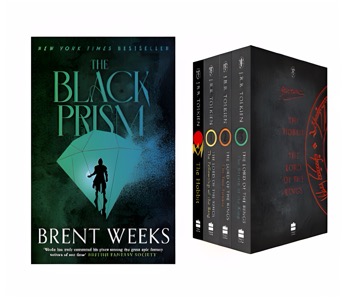 I’ve spoken to other writers from across the spectrum, usually in writer groups. Some express a need to plan every detail of their worlds. Exactly how a system of magic works, the politics of a society, everything is planned down to the smallest detail as if filling in a gaming character sheet for each element that comprises their world.
I can appreciate the logic of this. If the rules are all laid out, staying within their parameters should be easy. After all, it’s well known that J.R.R. Tolkien planned out his worlds involved in The Lord of the Rings in intricate detail before writing the main story.
However, to me, this level of planning also constricts the movement of the plot. I’ve sometimes started reading a story, especially one with a detailed magic system, and felt like I was following someone’s gaming campaign.
Conversely, when I was writing the first book of my Goblin Trilogy, the world grew organically. My partner at the time would ask me questions about the world and I would answer with what seemed obvious to me, but often the details from those answers got written in.
For example, how goblins found enough food underground to sustain an extensive community. Obviously they had to procure some of it from above ground, either through wilding or through goblin raids. This gave rise to Those Who Provide, a sub-tribe of goblins who go above ground to gather food in one manner or another without being seen. This requires training, and perhaps a little magic.
Sometimes the questions came from the story itself. For example, without knowing why, I wrote a baby dragon into the last scene of the first book of the series. This begged the question, where do dragons fit into this fantastical world, and how do they relate to the goblins?
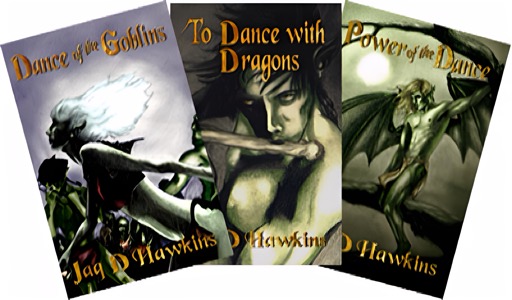 The answer formed a significant element of the second story. The symbiotic relationship between goblins and dragons established some important back story for the main goblin character, and also expanded my network of different types of goblins hidden within the underground places of the Earth.
These had already been forming out of need; the warrior goblins known as Those Who Protect who train for various forms of defence to protect their people, the Betweeners who live closest to the surface world and have cross-bred with humans more recently, so that some could pass as human with little disguise, the winged goblins, rare, but special for their psychic connection to the dragons.
None of these were planned in advance, but grew from the story ‘on the fly’ as the saying goes, because they filled a need in the plot as it developed.
Everyone has their own style of writing and planning a story. Some need to write the rules in advance, others make them up as they go along. Most writers, I suspect, fall somewhere between. Also, your style can change over time. I find myself loosely planning chapters now, thinking out what has to happen in the chapter I’m working on and writing according to how I need to accomplish that goal.
But I still don’t think I could work between strictly laid out goal posts. My creativity needs elbow room to develop ideas I haven’t thought of yet. How about you? Do you prefer to meticulously plan your stories and the worlds where they take place? Or do you enjoy the journey of discovery as you go along? Let’s chat in the comments.
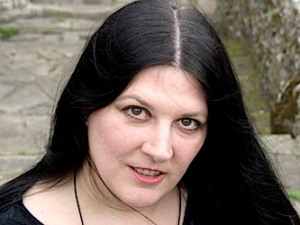
Jaq D Hawkins
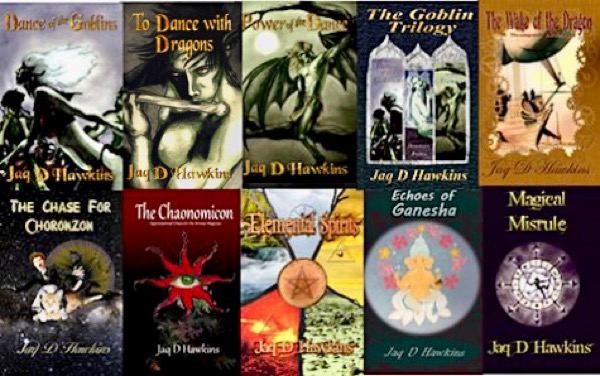
Books available at:
Amazon:
 Chris The Story Reading Ape's Blog
I do some minimal planning, mostly to do with the plot. Details of the world and the characters’ personalities emerge “on the fly.”
LikeLiked by 1 person
Here’s the direct link to your live post today. Jaq. Chris Graham
LikeLike