
 I recently read an article about plotting and story structure that gave examples of what was expected in various genres, including Romance, Mystery and non-genre fiction. What jumped out at me as a glaring omission was the twists and turns of Adventure stories, which often have many sub-plots sequenced within the overall adventure.
The two examples that immediately came to mind were Journey to the Center of the Earth by Jules Verne and The Lord of the Rings by J.R.R. Tolkien. While the latter technically is classed as Fantasy, it is in many respects an Adventure story. What these examples have in common and share with many other Adventure stories is episodic chapters within the overall story plot.
This is often the case with known Classics, like Mark Twain’s The Adventures of Tom Sawyer and Huckleberry Finn. Both of these books have what I call episodic chapters; chapters that could effectively work as short stories within themselves.
These come from an age when chapter titles were common, which is something I’ve observed is starting to come back into fashion in some genres, including Fantasy. Tolkien also included chapter titles and his epic, while following a larger plot arc, divided easily into many self-contained adventures within the plot of the longer story.
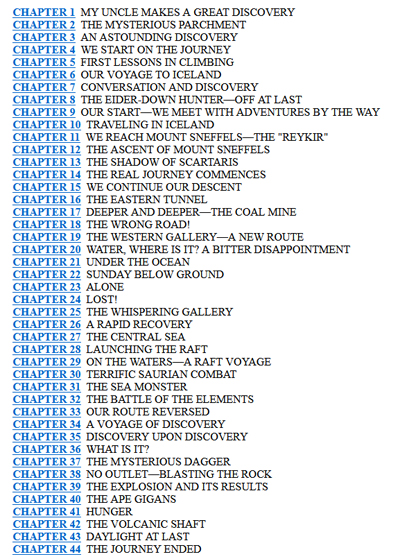 This literary edifice came to my attention because my current WIP fits the same structure. It actually came about because a short story I wrote for an anthology (The Wizard’s Quandary) inspired the idea of continuing the story into a full adventure, albeit with dragons and magic involved so it falls under the Fantasy genre. I then wrote another short story (Dragonstone) for a different anthology that serves as a prequel to the previous story. I’m debating whether these two stories will form the first two chapters of the novel or get saved back for inclusion in a special edition.
The premise is a simple one; a female Alchemist and her miniature dragon friend escaping from a despotic king have to cross a mountain range to get out of the king’s reach. The trouble is, full size dragons live in the mountains and pose a significant danger.
To give this story continuing interest, they will have to go through several episodes of adventure to challenge them and keep the pages turning. As I was scribbling down ideas for these adventures, I was reminded of Journey to the Center of the Earth and the discoveries the adventurers made along their way in an unknown and hazardous land.
It was then that I realised how many of these stories formed a large percentage of my early reading and how mesmerised I was by the changing fortunes of the protagonists.
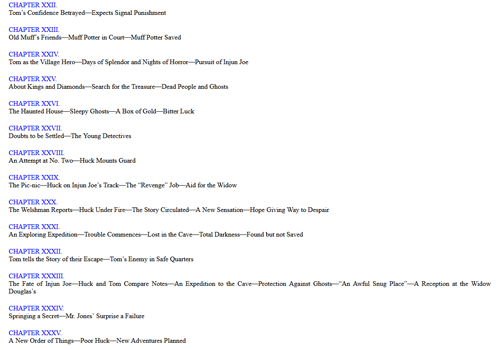 I’ve never been one to fully plot a novel, but the ideas generated, added to as new inspirations occurred, form a series of adventure ideas that provide fodder for many sub-stories within the greater story arc. It’s far more of an outline than I usually work from, especially as the climax and the end are already taking up space in my mind.
One of the better pieces of writing advice I’ve come across is to write the stories we would like to read. Adventure stories are something I don’t think we ever grow out of. I still enjoy those old Classics with their chapter titles and multiple episodes of interesting developments and side quests.
How do you see the chapters in your own books? Could each of them form a story of their own, or are they more of a serial in nature that relies on the full arc?
Did you read Adventure stories when you were young?
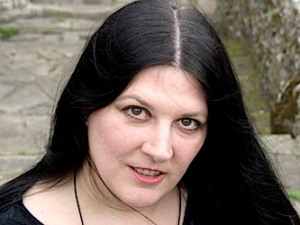
Jaq D Hawkins
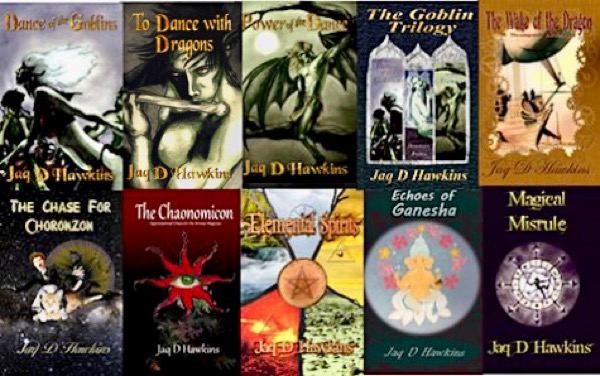
Books available at:
Amazon:
 Chris The Story Reading Ape's Blog
I’m currently struggling with a story, and have come to a full stop. I have my protagonist and his two companions at a certain point, but there they are stuck, and have been for a year or two. I think an episodic approach might clear things for them to continue their quest.
Thank you for the suggestion.
LikeLiked by 2 people
I hope it works out for you!
LikeLiked by 2 people
Chapter titles are useful in ebooks when I want to check something earlier in the story. I haven’t written episodic chapters in any of my books, although a few may contain a sub-story. Some writers think it’s necessary to follow a specific structure, which means they don’t even consider the episodic approach.
LikeLiked by 1 person
Yes, too much writing advice these days tends to homogenise more recent fiction.
We can learn a lot from the old masters!
LikeLiked by 1 person
I enjoyed reading this because it made me see that I also write episodic novels. Each chapter is an episode. I title my chapters, and try to start and end with a grabber to urge the reader to read on. This would include even 1-page chapters.
Why? Two reasons. One, I tend to think in chunks–chapter-size chunks. Second, I work with a critique group, where we submit one chunk a month (one regular or two short chapters). My submission must read like a short story for them.
I am midway between a planner and a pantser. I have an idea where the story is going–I may even know how it ends. But I make up the middle as I go along, one chunk at a time. I have never completely outlined a story before starting it.
I enjoy answering these questions because it makes me think about how I write.
LikeLiked by 2 people
I’m glad I’m not the only one!
I think this story structure is worthy of bringing back into ‘fashion’.
LikeLike