
 This is one for the non-fiction writers, though keeping a record could be useful for fiction writers who might use some facts, such as in fiction based on historical events or any story set in a real life place.
Keeping a record of sources for facts can save you loads of time, even if you don’t think it’s likely to come up. I’m fairly good at including citations of sources in my non-fiction books, but recently one of them was picked up by a publisher and they want page numbers of the sources, as you would include in an academic treatise.
At the time I wrote the book, I thought it was sufficient to include the source material in the Bibliography. Now I’m spending time tracking down books I no longer have to hand to determine which information comes from which source!
This is a time consuming exercise to say the least, and some of the books are old and hard to find. The copies I used at the time belonged to an ex whom I have no contact with now, though libraries are reasonably good sources.
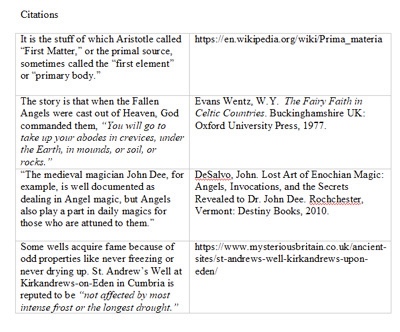 It’s also a frustrating exercise as many of the books are of a similar nature, British folklore and fairy belief, and reading them all again would take a substantial amount of time. I’m collecting PDFs of those I can so I can search them for key phrases.
This extra work could have been avoided with some foresight. A Word or Excel document with pieces of information gleaned from research sources would have saved me the trouble, though one of the citations asked for was a reference to a scientific experiment related by one of my college teachers and attempts to find some reference to it online has been futile so far.
I know the experiment was genuine and some reference must exist, but search engines aren’t what they used to be and they throw up pages of unrelated material to sludge through.
In fiction, keeping reference records could also save headaches. For example, I read somewhere that every bridge in Venice, Italy has a story behind it. The question is, did that writer make this up, or is this a true statement? Anyone with knowledge of this is welcome to enlighten me. If it’s made up, referring to it in one of my own stories set in Venice could at the very least leave me open to criticism, though it’s probably not enough to be called outright plagiarism.
 People writing about in living memory, such as the 1960s, could easily be called upon to justify assumptions about the cultural events of the time and in Historical Fiction it is essential to get the facts as accurate as possible, though someone might ask, “What do you mean the common people in East Anglia gave their children opium to chew? Where did you hear such a thing?”
This is a historical fact that went into my Steampunk novel, The Wake of the Dragon, but if someone asked me for a reference for it, I’d have to go digging in books and articles about Victorian history and there is plenty of it to keep me busy for a long time before might find a reference to this specific phenomena of a culture long past.
Don’t get caught out. If you find some interesting information that will slip into your writing, keep a record of the source. Even if it’s just scribbled into a dedicated notebook by hand, at least you’ll be able to find the reference when someone unexpectedly asks for it.
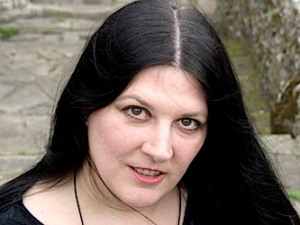
Jaq D Hawkins
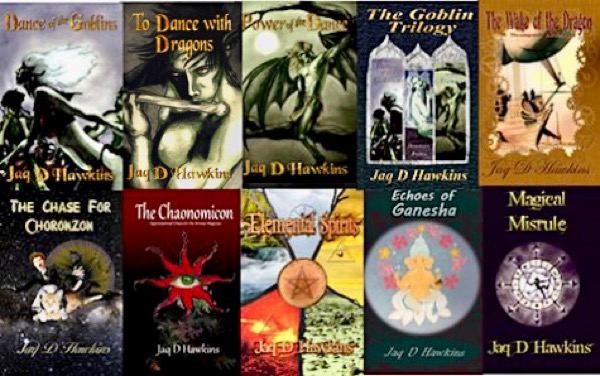
Books available at:
Amazon:
 Chris The Story Reading Ape's Blog
Lovely post. Bits of fact enhance even the most outrageous fiction. Hugs.
LikeLiked by 1 person
Simple things like referring to metal cutlery in a Victorian workhouse, where it certainly won’t be silver, can be a real rabbit hole of research, but it pays to get it right.
LikeLiked by 1 person
A very good idea. Therefore and for academic purposes i am using my beloved scanners, and every document i have was OCRed. Best wishes, Michael
LikeLiked by 1 person