
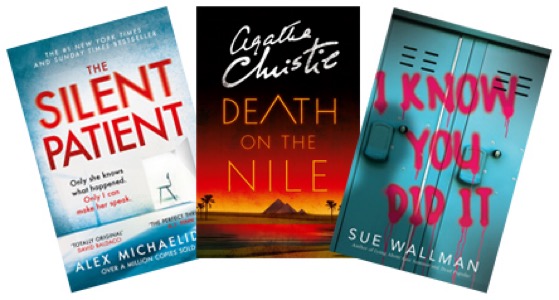
 I read a lot of writing articles that don’t necessarily pertain to my books. These include articles specifically targeted towards Mystery writers. I don’t write Mystery and seldom read it, so why do I take the time to read these articles geared towards a genre that isn’t part of my writing landscape?
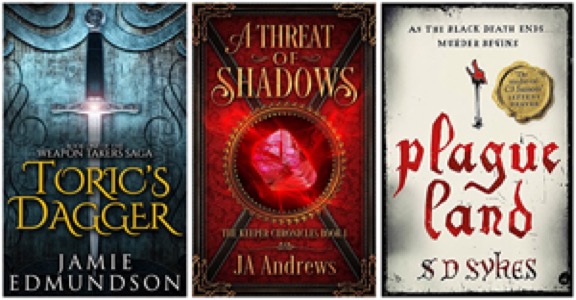
Fantasy and Mystery have more elements in common than many people realise. The approach is different and the main plots tend to have different themes, yet I noticed in some of the Fantasy books I read that working out unknown facts about a situation in the Fantasy world is not so different from working out a whodunit.
Basic story structure applies to all genres, much as this article about writing Mystery lays it out.
While there may not be a murder to solve in a Fantasy plot (though it’s not completely unknown), the basics of the world you’ve been taken to, meeting the protagonist, establishing time of day, weather and where the action is are virtually the same.
 The character roles are actually surprisingly similar. The characters laid out in this article are easily transferable between the genres, including the advice to establish a problem which must be solved. It might be a political conflict between kingdoms or a need to get your dragon into a competition rather than a dead body, but structurally we’re looking at the same story elements.
The protagonist, antagonist, side kick and minor characters who might witness important information are fairly universal in any genre of fiction writing.
The qualities of the protagonist are also very much the same across these genres, we can see here.
1. S/he must be intelligent, perhaps in a unique way.
2. S/he must be willing to take on a task for the greater good, even at risk of his/her own life.
3. S/he needs a strong moral code and a willingness to fight for the underdog, even if the protagonist is a rogue, thief or other unsavoury character.
4. S/he must be able to think on his/her feet and come up with clever solutions to complex problems.
5. S/he would probably be likable and relatable, so readers can easily connect with him/her, though a good bad character isn’t unknown.
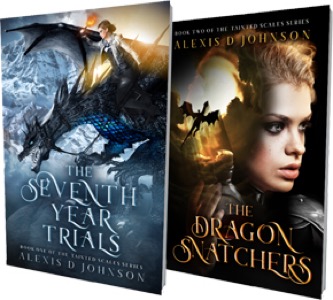 Many articles that write about how to write Mystery could just as well be about writing Fantasy, like this one that suggests elements of the Thriller, bringing exciting action into the story; Comedy, which is an element any Fantasy can benefit from, even Dark Fantasy; Noir, those dark times when the wrong army is winning or the protagonist is trapped by evil magic; Procedural analysis of how to go about saving the day; And working out who or what is responsible for the conflict in the story.
Reading articles outside of my niche does take a chunk of my time, but I find these articles of great value. After all, some Fantasy plots are effectively Mystery plots couched in Fantasy worlds, whether it’s an investigation into a peasant death or working out who stole the magical weapon.
The genres’ similarities far outweigh their differences.
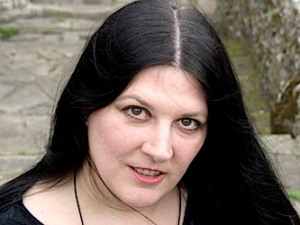
Jaq D Hawkins
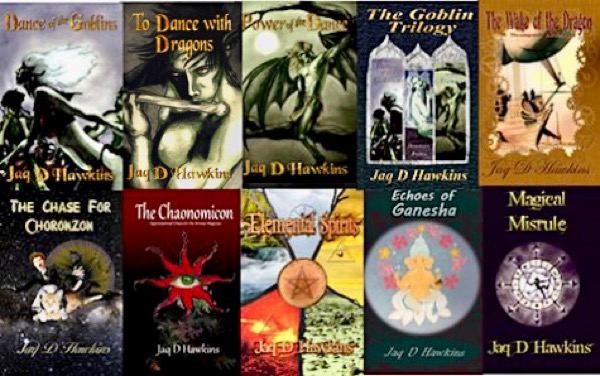
Books available at:
Amazon:
 Chris The Story Reading Ape's Blog
I’ve read almost as many mysteries as fantasies. I absolutely agree that good fantasies have a lot in common with mystery novels. I’ve done that in most of mine. Great article. Hugs.
LikeLiked by 1 person
Thank you!
Glad I’m not the only one who noted the similarities.
LikeLiked by 1 person
I hadn’t thought about it in that way, Jaq. I tend to skip reading mystery posts as I have so many posts in my inbox. I’m going to remedy that ASAP.
Thank you for this.
LikeLiked by 1 person
I don’t know what started me reading them, but I’ve found them very valuable!
LikeLike