

For the past two years, the Heritage Lottery Funded project History of Place has been exploring the history of deaf and disabled people and the places associated with those lives.
Buildings themselves and the culture associated with them affect the opportunities open to disabled people: whether they are cut off from the world or part of it, limited or empowered, and whether they had opportunities to demonstrate their skills, or simply take a holiday.
Here we take a look at 6 radical spaces:
1. Maison Dieu, Faversham, Kent
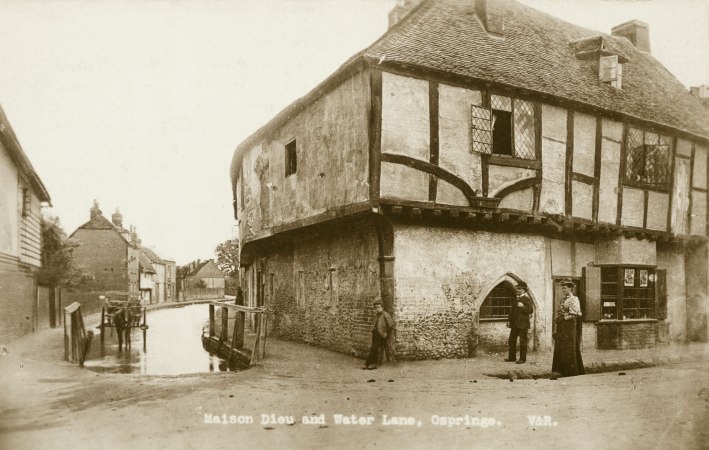 Exterior view from the north-east showing a man and woman with a boy outside the Maison Dieu house 1880 – 1920 © Historic England Archive
Maison Dieu (‘House of God’) is a brick, wattle and daub house in Faversham, and the last surviving structure from a large monastery built by Henry III in 1234. This far back in time, it’s quite rare to…
View original post 934 more words
 Chris The Story Reading Ape's Blog
Great post!
LikeLiked by 1 person
Glad you enjoyed it, Paul 😃
LikeLike