
 I’ve written before about writing chapters as if they were complete stories in themselves.
This was actually a common practice in Victorian times, each instalment getting released in a newspaper, keeping readers entranced enough to buy the newspaper just for the stories.
Many of Charles Dickens novels, for example, were first published as serial stories, yet they work well as complete novels. The episodes often had endings that made the readers vehemently want the next instalment, even full cliff-hangers, but that was part of the art.
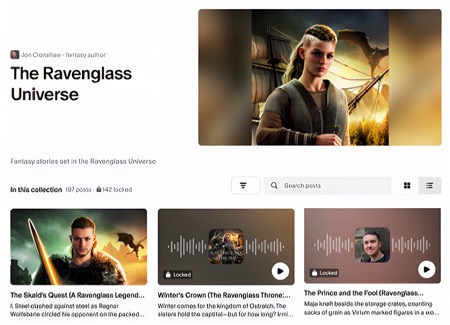
These days a similar format is used on sites like Inkitt and on Patreon. Writers offer serial episodes or progressing chapters of works in progress to keep followers engaged and sometimes to get feedback. It’s an old system re-packaged, but it still works.
Sometimes the complete stories are written in advance and just released in episodes, but some authors write as they go and adapt the stories according to the feedback. I haven’t tried using this method online myself, but I’ll admit I’ve given it some thought.
 Many articles about writing emphasise that each chapter should have a beginning, a middle that progresses the story, and an end, even if that end is a cliff-hanger. This could be of particular interest to writers who still have to support themselves with a ‘day job’ and don’t have full time hours to write. Focusing on a chapter or an episode at a time can keep the plot progression in close focus, when working through the entire story arc might be more challenging when writing time is limited.
As someone who always has several stories playing out in my head at once, I also find this approach useful when I have a sudden inspiration for something to happen in one of them, when my primary attention is on another story at the time. The number of partially written stories on my hard drive could compete with the working focus of George R.R. Martin!
While I’m primarily a Fantasy writer apart from my non-fiction, I can see how this works with other genres, and would be especially useful in Mystery writing. You can imagine episodes that drop clues, surprise the reader’s with twists, and leave a partial trail of bread crumbs towards solving the mystery.
In the realm of Fantasy, a potential drawback could be reader expectations. The chance you take when asking for feedback is each reader will interpret the story from their own perspective and you can be sure that each of them will have a different idea about what should happen next, or how the characters will fare by the end.
 While this could provide some interesting ideas, if you already have the story mapped out, or even fully written, it could lead to some disappointment from readers who thought their idea was perfect.
There’s also the potential for being accused of stealing ideas, a murky territory best avoided entirely.
Whether releasing chapters online is right for any given writer is a personal choice. One thing to keep in mind if you have any aspirations for placing the project with a commercial publisher, doing so will likely scupper any chance of acceptance because technically, the story has already been published online.
On the other hand, having some work easily accessible online can help to develop a readership. Once readers decide they like your writing style and ideas, they will likely want more. It’s an exposure avenue worthy of consideration.
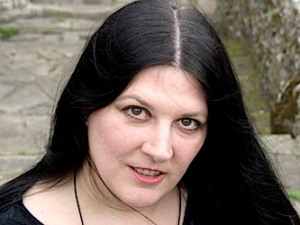
Jaq D Hawkins
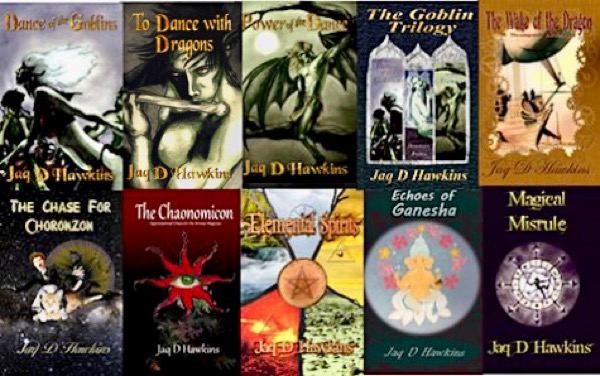
Books available at:
Amazon:
 Chris The Story Reading Ape's Blog