
Sometimes characters we invent can take on characteristics of people we know or have come across somewhere. You might observe someone on a train platform exhibiting odd behaviours and find them slipping into a quirky character, or aspects of a friend would suit a supportive character in your current project, though the character isn’t actually based on anyone at all. Pieces of ourselves often slip into a character’s make-up, especially main characters.
Recently I was reading an article about showing emotions and the thought crossed my mind that aspects of someone I used to know could be an interesting challenge to depict, most of all because I don’t like her.
I used to like her. She was a friend who got involved with one of my film projects and was part of a group of creative people working together in all positive ways. Then she let everyone down, including one of her best friends who was also involved in the project, through some completely unreasonable behaviour that might have scrapped the project for everyone if her role had been more important. Luckily I was able to cut out scenes and replace other contributions she had made, at the expense of more work for me, a couple of scenes presented differently than planned, and lesser billing for her close friend because the friend had changed her look too much to redo posters.
What she had done was to pocket all contracts and permission forms after having agreed to be part of the project. She refused to answer communications even after being reminded that she would get paid for her work. The silent, passive-aggressive behaviour was frustrating to say the least.
Later, other changes in her behaviour became noticeable. She became self-absorbed and callous, even bitchy, in ways that were unimaginable just a few months previously. She began isolating herself from many previous friends, refusing to return borrowed items to the point that some people considered taking legal action to regain their property.
Now the first thing an observer might think about is whether there were reasons underlying this change in behaviour and whether she needed psychiatric help and the answers to both might be yes, but from a writer’s point of view, the behaviours themselves form a picture of someone unusual in an ultimately frustrating way. A story can take a series of aspects of a person’s nature out of time, presenting them within the setting of the tale in ways in which negative behaviours from one character might affect others.
My first reaction to the thought of ‘borrowing’ some of the selfish and even larcenous behaviours of this person to write into a character was total revulsion. I don’t like the person so why should I immortalise the worst aspects of her in a character?

The answer is because my strong reaction to her could be duplicated in readers if I cast the character such that she creates conflict in the main plot. We’ve all heard the phrase, “a character you love to hate.” Some well-known characters who fill this role would include Uriah Heep from David Copperfieldby Charles Dickens, or Hannibal Lector from Silence of the Lambs by Thomas Harris.
Whether Dickens found Uriah Heep’s more distasteful traits purely from imagination or was inspired from real people is unknown, though it has been said that he had been inspired by either Hans Christian Anderson or Thomas Powell, for whom a friend of Dickens’s worked. Harris said in the introduction to a later edition of his book that Hannibal Lector was inspired by a Mexican doctor named Alfredo Ballí Treviño, who was not a serial killer but killed and chopped up his gay lover.
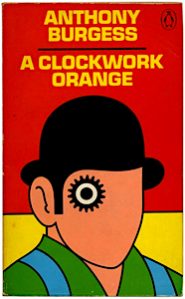
Many articles on writing tell us that a good villain can make a story, or an anti-hero like in Anthony Burgess’ story, A Clockwork Orange. Little Alex is an interesting character, but a thoroughly unpleasant one.
Extremes of villainy are not always required to make use of a character you don’t like. Whether inspired by someone from real life or totally made up, the annoying character, the one who lets people down or fails to keep promises, can be a significant source of conflict in a story. Real or imagined, investing emotion into our dislike of the character can only make us write them more effectively.
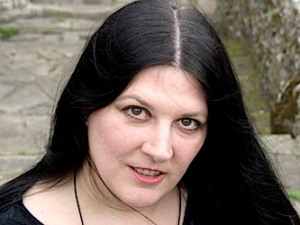
Jaq D Hawkins
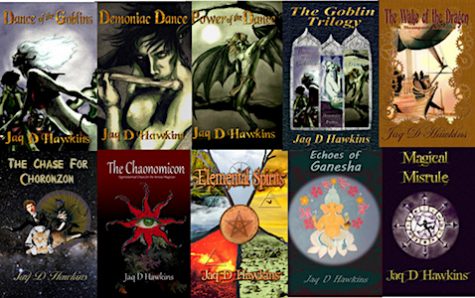
Books available at:
Amazon:
 Chris The Story Reading Ape's Blog
A very interesting posting. Never before thought about to somehow “pull” a character through the entire story.too. Behavioural changes must seem plausible to the reader. Thank you! Michael
LikeLiked by 2 people
Glad you found it of interest. 🙂
LikeLiked by 2 people
Oh yes, Thank you very much, and have a nice Sunday! Michael
LikeLiked by 2 people