
As a fantasy/science-fiction writer, I’ve stacked up a bit of experience with world-building that I’ve wanted to share, and The Story-Reading Ape’s blog is the perfect venue.
Now don’t run away if you don’t write speculative fiction. Clearly, world-building is a key part of bringing fantasy and science-fiction stories to life, but it plays a role in all fiction, and in some non-fiction as well.
Setting as Character
Most of us probably agree that the physical places within our stories need to feel authentic. But if we create them as mere backdrops to the action, we’re missing an opportunity to enrich our readers’ experiences. In great fiction, setting plays a role in the story. It’s changeable, a help, a hindrance, a metaphor, a mood, possibly even a character in the drama.
Fantasy author Brandon Sanderson is a proponent of the idea of setting-as-character and builds a “character profile” of the world he’s designing. From his character’s point of view, the world has “personality” including strengths, flaws, and quirks.
Regardless of your genre, the world in which your characters live shapes their experiences. Selecting an effective setting is as vital as choosing the right players and plot. The world might be a friend or foe to your protagonists and villains alike as they navigate a dynamic environment.
The setting of a book may rejuvenate or deplete, trigger buried flaws or instill hope. It may force the characters to learn new skills or gather greater knowledge, or it may confront old fears and force choices that break the heart and soul. It may assist your hero in evading a villain or trap him with no way out. The impact of a world may be physical, emotional, psychological, or spiritual.
In choosing a setting, consider how your plot may play out as you increase the challenges the world imposes. How does the conflict unfold in a sweltering city or on a damaged ship at sea, stranded in a mountain snowstorm or stuck living with controlling parents, in high society or in the trenches of war? What if time/fuel/medication/food/oxygen is running out?
If a scene is falling flat, intensify your setting to up the ante.
But that’s not the only way to bring a setting to life nor the most important.
Setting is Emotional
More important than the “facts” of the physical setting is the character’s emotional connection. A setting truly comes to life when it’s infused with meaning, when we as authors connect the character’s emotions to the details of the physical place and all they evoke.
What about the setting does the character love or loathe? Is the place new to the character’s experience or does it raise memories? Does it elicit excitement, longing, or fear? Combine the character’s feelings with the details as perceived through his or her senses and the setting becomes something that interacts, pulls or pushes on the character’s personality and goals.
If your story is about a couple working through issues, consider the difference if the characters are stuck for the holidays in a cherished family home versus a home that was filled with abuse. What are the key details that symbolize the relationships with the environment? Perhaps it’s a belt hanging on the back of the kitchen door, or a treasured grandmother’s silver tea service.
Sometimes feelings are evoked by the passage of time and how a place changed physically. Or perhaps the place hasn’t changed, but the person who views it is no longer who she or he once was. The contrast is what makes the relationship between character and setting dynamic. Again, link the changes in the physical details or the character’s perception to the emotions they generate.
Setting will also evoke different feelings in different characters. What one finds dull another will find peaceful. What fills one character with a sense of adventure will terrify another. The various reactions to setting create tension, not only with the setting itself but between characters. Take the time to explore each character’s relationship with the world they find themselves in and pit those feelings against each other.
Remember that setting is more than place – it’s the weather and seasons, the sounds and smells, textures and tastes, the values and attitudes, the politics, the people, memories of the past and hopes for the future. Characters will have feelings about all these elements of the world, whether your story takes place down the street or on another planet.
Happy World-building!
Diana

Website/Blog – Facebook – Twitter – Goodreads
Amazon:
USA – UK – CA – AUS – IN
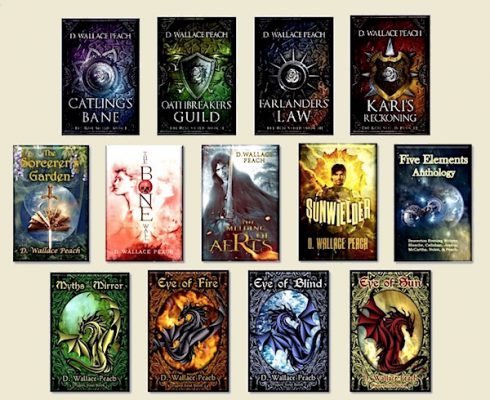
Featured Book: Catling’s Bane

 Chris The Story Reading Ape's Blog
Excellent post. I’ve alluded to the same ideas–that setting is character especially–but you’ve fleshed the idea out beautifully. When I researched world-building as part of a collaborative post I did on my blog, that was when I first realized the other part of what you write: that it’s part of all fiction. Nicely done, friend.
LikeLiked by 4 people
I remember the post, Jacqui. I’m certainly not an expert so I like reading what other authors offer. I can’t wait to see what you do with Lucy’s book – the world-building will be wonderful. 🙂 Happy Writing.
LikeLiked by 2 people
This is wonderful information; it reminds me of my creative writing courses. Sometimes I think, I will revisit one of my stories–strengthen the characters, some are a bit flat and then also emphasize the scenery a bit more. I, also, like that you mention the characters will have feelings about the scenery and each one will respond to that scenery differently. Oh boy…I am almost exhausted thinking about a revise. Lol. Much credit to you for what you do. It’s a lot of work! 😉
LikeLiked by 3 people
Thanks for the reading, Sharon. The more I learn about writing, the more anxiety I have about my older work! Ha ha. I think some of this we do instinctively, but we become more refined as our awareness of all the techniques increases. And I think a lot of this is “revision” work anyway, once the story is down on paper. Happy Writing!.
LikeLiked by 3 people
This is great information, Diana. Though I don’t write fantasy, I still do some world-building in the sense I have to try to bring a hospital to life (or whatever my main setting is for my medical thrillers). It’s a tricky skill and one I think we develop over time, but I know I still have plenty of room for improvement!
LikeLiked by 3 people
Thanks for the visit, Carrie. I have a few more posts lined up with Chris, but this one more than the others applies to fiction in general. You’re so right about medical settings – they’re great for evoking feelings. Some people hate them or are scared of them, and yet for others, they’re lifesavers. Plus all the emotions of the caregivers (I’m thinking Seneca Scourge here – the stress, fatigue, and sadness that was a backdrop to the thriller elements of the story). You get it. 🙂 Happy Writing!
LikeLiked by 2 people
Carrie, I think one of the biggest pitfalls non-fantasy writers fall into is taking “world building” for granted. In doing so, hospitals and corporate offices and courtrooms and grocery stores wind up feeling stock. In real life, they’re not. Some hospitals I’ve been to have small, crowded waiting rooms. Some make attempts at cheer. Some read that they cater to wealthy patients, playing classical music and having large welcome-and-information desks, while others are missing ceiling tiles or have lights on the fritz. Some have easy-to-follow navigation with thoughtful maps, whereas you can get lost in others quite easily. Is the elevator claustrophobic? Or is it large, well-lit, gliding smoothly between floors and opening on both sides?
I’m always disappointed when a non-fantasy fiction writer hasn’t put enough thought into bringing the world to life. So I say go for it.
LikeLiked by 3 people
Agreed. All sorts of nuances we can add to a hospital setting!
LikeLiked by 3 people
A Master Class D! Thanks Diana and Chris!!!
Very interesting, I´ll read it again!!
LikeLiked by 3 people
Thanks so much, Hector. There’s a lot to learn about writing, and I’m still figuring it out. 🙂 But it’s also great fun. Have a lovely weekend, my friend. 🙂
LikeLiked by 2 people
Thank you for sharing your knowledge!
LikeLiked by 2 people
Like the blog Diana. It made me rethink the novella I’m working on which needs some zest in the rewrite. I will keep the blog handy. Thank you.
LikeLiked by 3 people
I’m glad it was helpful. Setting can up the physical ante and/or give insight into the character’s state of mind or perspective. Good luck with your rethink. 🙂 Happy Writing!
LikeLiked by 1 person
Wonderful and challenging writing… a great read, Diana. 🙂
LikeLiked by 2 people
Thanks for stopping by to check out the post. Have a great Friday and relaxing weekend. 🙂
LikeLiked by 2 people
Reblogged this on Myths of the Mirror and commented:
I had the great pleasure of guest-posting with Chris, The Story Reading Ape on the writerly topic of world-building – something I can talk about until I’m plumb out of breath. 🙂 Hop over if you’re interested. Happy Weekend!
LikeLiked by 1 person
A really fabulous article, Diana and Chris. I read another article about setting, I can’t think where but it was recent, and the combined advice is really helpful to a newby like me.
LikeLiked by 3 people
Thanks, Robbie. It always amazes me how much there is to absorb in this writing thing we do. I’m always learning, and I hope that doesn’t stop. Have a lovely weekend!
LikeLiked by 3 people
Thank you, Diana, you too.
LikeLiked by 2 people
Fantastic article and so useful for all writers across the genres.. brilliant thanks Diana and Chris.
LikeLiked by 3 people
Thanks, Sally. I hope a lot of starting writers find it helpful. I was something I didn’t think much about when I started. Happy Writing!
LikeLiked by 3 people